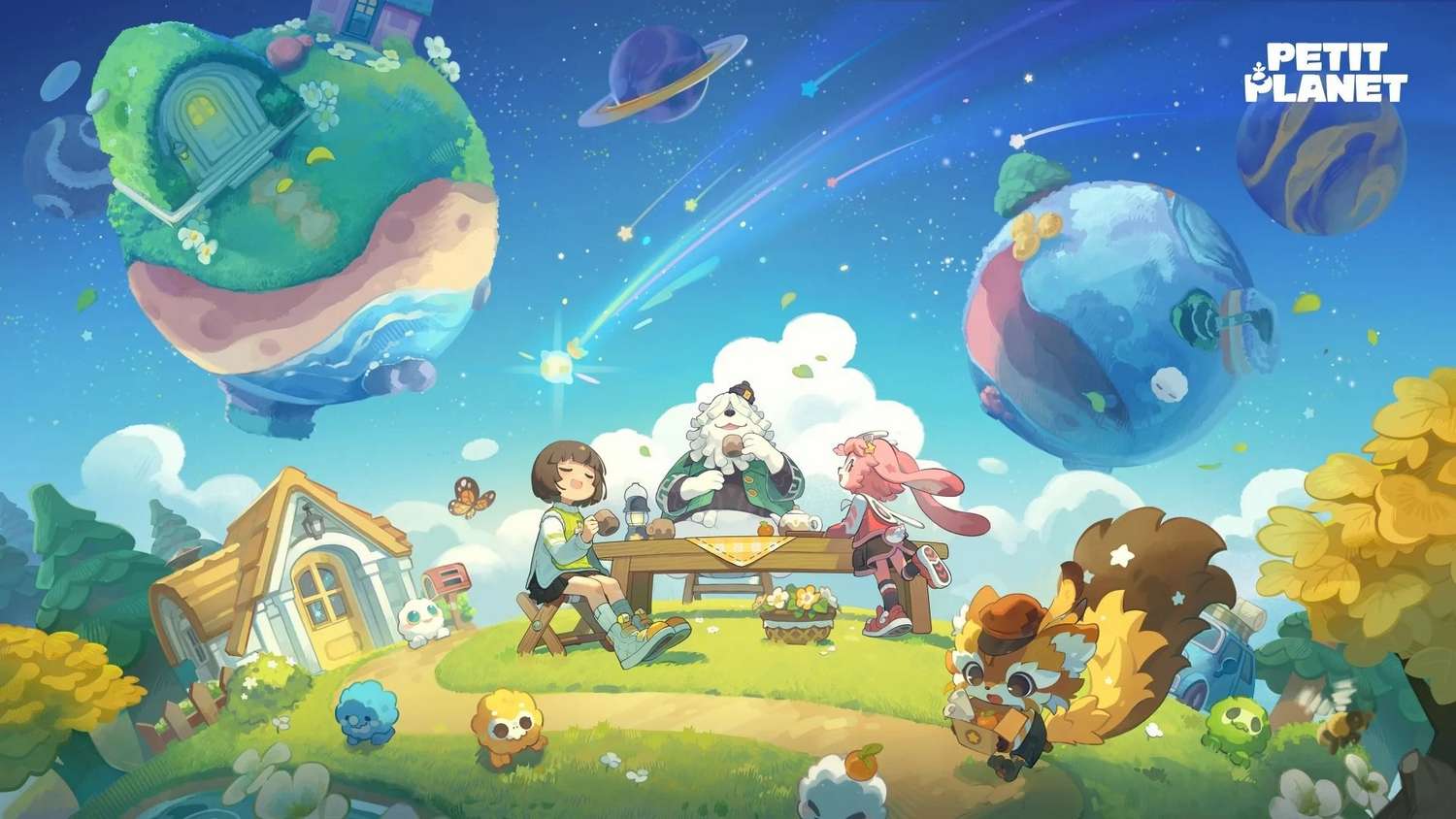
Petit Planet Unveils Expansive Terraforming and Building in Latest Gameplay Trailer: A New Frontier for Creative Sandbox Gaming








Popular Now
 Brawl Stars
 Poppy Playtime
 God of War Ragnarök
 Roblox
 Minecraft
 Schedule I
 NBA 2K24
 Among Us
 Counter-Strike 2
 PUBG Mobile
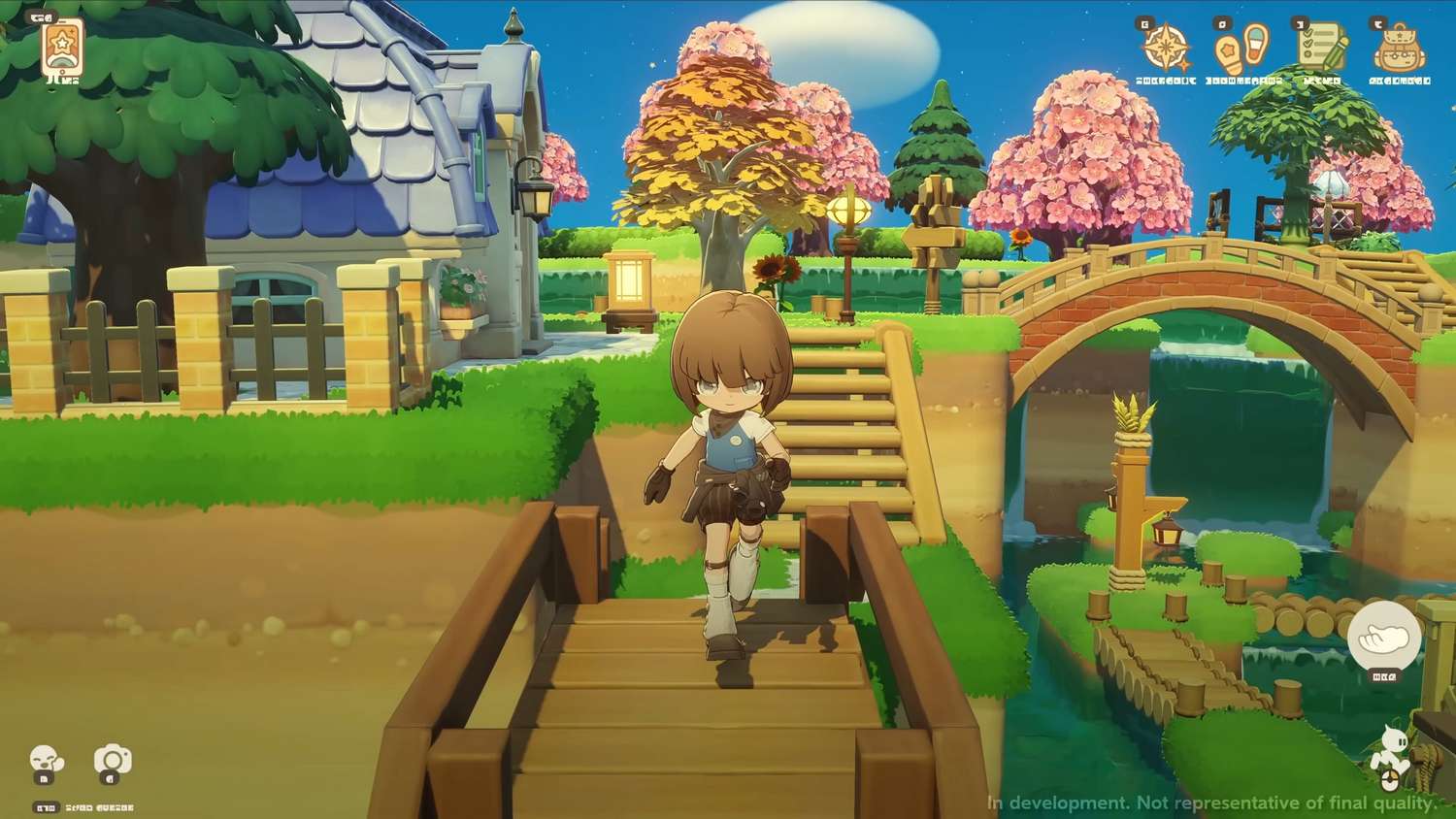
The eagerly anticipated creative sandbox title, Petit Planet, has just dropped a comprehensive new design trailer, offering an in-depth look at its ambitious terraforming, intricate building mechanics, and a myriad of customization options. This reveal has ignited considerable excitement within the gaming community, promising a revolutionary experience for fans of digital world-building and player-driven creativity. The trailer showcases a level of freedom and detail that could potentially redefine expectations for the sandbox genre, positioning Petit Planet as a significant contender in the market of upcoming PC games and beyond.
A Glimpse into Petit Planet’s Expansive Vision: Terraforming at Your Fingertips
The core of Petit Planet’s appeal lies in its dynamic and intuitive terraforming simulation. The new trailer prominently features players manipulating vast landscapes with remarkable precision and ease. From raising mountains and carving valleys to sculpting intricate cave systems and redirecting rivers, the tools presented appear robust and user-friendly. This granular control over the environment allows for unprecedented levels of environmental manipulation, enabling players to literally shape their world from the ground up. The developers have clearly invested heavily in creating a system that is not only powerful but also accessible, ensuring that both casual players and dedicated landscape architects can find their stride. The implications for gameplay are immense: every player’s world can be a unique geological masterpiece, offering diverse terrains for exploration, resource gathering, and subsequent construction. This aspect alone elevates Petit Planet from a simple building game to a true digital world-builder, fostering unparalleled player engagement and long-term interest.
Architectural Freedom: The Building System Detailed
Complementing the expansive terraforming capabilities is Petit Planet’s sophisticated and seemingly limitless modular building system. The trailer highlights an impressive array of structural components, from basic foundations and walls to intricate roofing, decorative elements, and functional utilities. Players are shown constructing everything from cozy cottages and sprawling cities to complex industrial facilities and fantastical structures that defy conventional architecture. The emphasis on creative freedom is palpable, with snap-on mechanics and intuitive placement tools ensuring that intricate designs are within reach. Furthermore, the ability to build not just on flat surfaces but also within carved mountainsides, suspended in the air, or even underwater, opens up endless possibilities for creative construction. This commitment to player agency in design is a critical draw for players who value customization and self-expression. The extensive catalog of materials and architectural styles teased suggests that players will have the tools to create structures ranging from futuristic cyberpunk havens to rustic medieval towns, all within the same seamless world. This robust offering targets a broad demographic, from casual builders to those seeking deep, challenging architectural design simulation.
Beyond Creation: Resource Management and Customization Elements
While terraforming and building form the backbone of Petit Planet, the trailer also sheds light on crucial auxiliary systems that add depth and replayability. A glimpse into resource management indicates that players will need to explore, gather, and process various materials to fuel their construction projects. This adds a strategic layer, encouraging exploration and careful planning for resource allocation. Different biomes and geological formations teased in the trailer suggest diverse resource distribution, promoting dynamic gameplay. Beyond raw materials, the trailer hints at extensive player and avatar customization, allowing individuals to personalize their in-game persona to reflect their unique style. From clothing and accessories to emotes and character animations, the options appear plentiful, enhancing the sense of individual identity within the game’s shared universe. Moreover, the ability to personalize created objects and structures through painting, textures, and decorative items ensures that every player’s digital footprint is truly their own. This multifaceted approach to customization, extending from the landscape to the player character, reinforces the game’s commitment to empowering individual expression and fostering a strong sense of ownership.
The Promise of Interactivity: Social and Multiplayer Potential
Although the primary focus of the design trailer was on creation, subtle cues hinted at the game’s potential for robust social and multiplayer sandbox experiences. Screenshots and brief clips suggested players collaborating on large-scale projects, exploring each other’s creations, and perhaps even engaging in lighthearted social interactions. The ability to share created blueprints, visit other players’ planets, and collectively shape a shared universe could transform Petit Planet into a vibrant community hub. This emphasis on cooperative gameplay and community building is a powerful attractor, especially in an era where online social interaction is more valued than ever. Imagine groups of friends terraforming a new continent, pooling resources to build a magnificent city, or simply exploring the ingenious creations of others. Such features would significantly extend the game’s longevity and appeal, cultivating a dynamic player-driven economy and social ecosystem. The potential for player-generated content to become a driving force in the game’s evolution is immense, offering a fresh take on the traditional sandbox formula.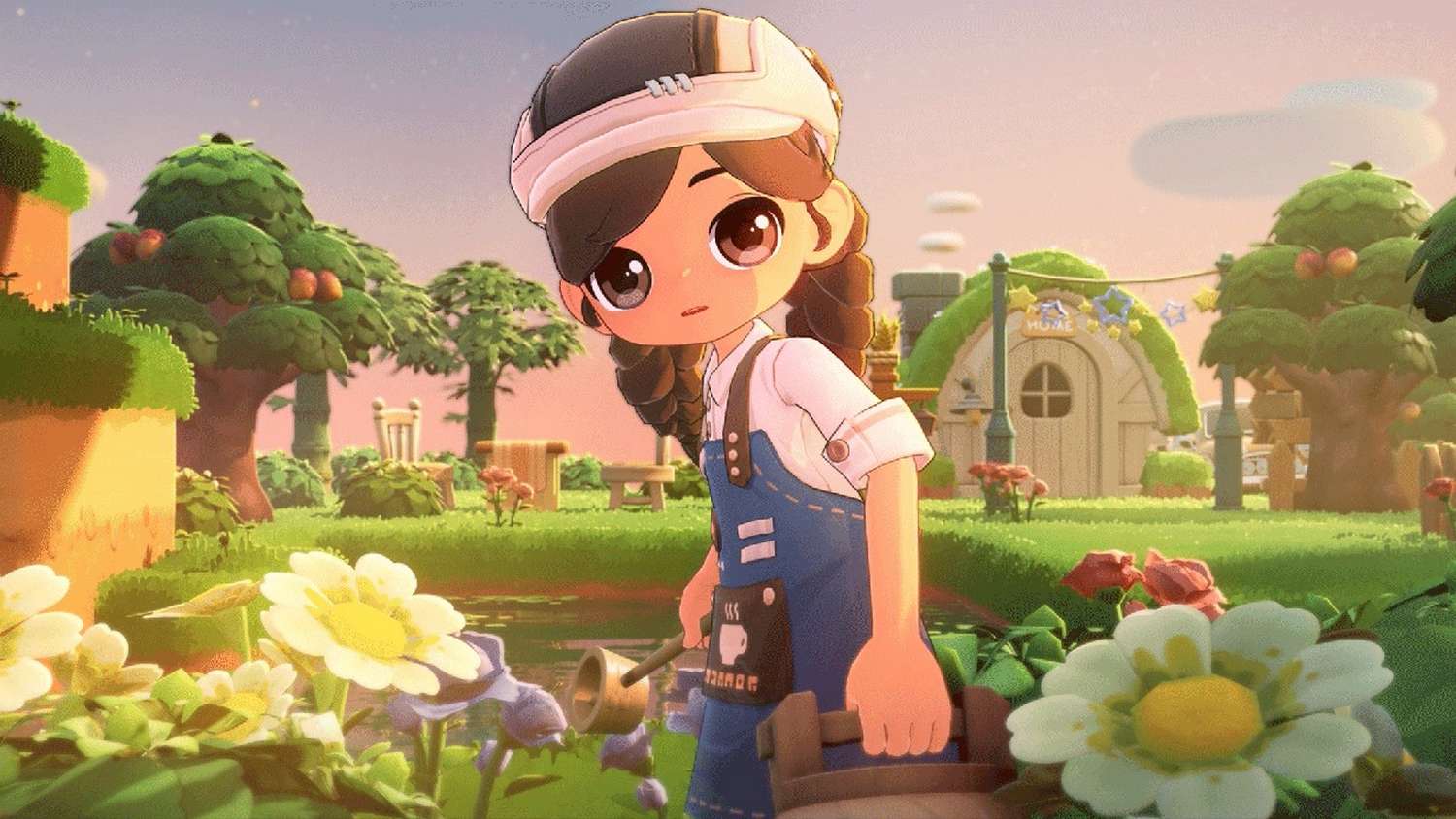
Why Petit Planet Stands Out: Innovation in the Sandbox Genre
Petit Planet appears to be carving out its niche by blending the best elements of established creative gameplay titles with innovative new mechanics. Its seamless integration of deep terraforming, modular building, and promising social features positions it as a significant evolution in the genre. The trailer suggests a high level of polish and attention to detail, which is often a hallmark of successful indie game development. The engine seems capable of rendering large-scale environments with impressive fidelity, contributing to an immersive experience. For players seeking a game where their imagination is the only limit, Petit Planet promises an unparalleled canvas. Its potential to foster sustained creativity, complex problem-solving, and meaningful social interactions makes it a standout title that is sure to attract substantial interest from fans of simulation, strategy, and creative building games. This blend of innovation and proven gameplay loops could make Petit Planet a highly searched title for upcoming game releases, drawing in a wide audience interested in deep, rewarding digital experiences.
Anticipation and Market Impact: What This Means for Gamers
The buzz surrounding Petit Planet’s design trailer is well-deserved. The detailed showcase of its core mechanics suggests a game with immense potential for replayability and player agency. For consumers, this translates into a significant investment of time and creativity, offering a rewarding escape into a self-made universe. Developers are tapping into the burgeoning market for user-generated content games, where players become creators, providing endless fresh experiences. The emphasis on accessibility combined with depth means Petit Planet could appeal to a wide demographic, from younger players exploring digital construction for the first time to seasoned veterans of open-world builder games seeking new challenges. The robust feature set positions Petit Planet as a strong contender in the lucrative market of high-CPC gaming terms, attracting not just players but also potential content creators and streamers eager to showcase their creations. Its release will undoubtedly be a pivotal moment for the genre, potentially setting new standards for creative freedom and interactive world-building.
Conclusion: A Universe Awaiting Builders
Petit Planet’s latest design trailer paints a compelling picture of a game that empowers players to sculpt, build, and inhabit worlds born entirely from their imagination. With its potent terraforming tools, comprehensive building mechanics, and strong hints at a vibrant social ecosystem, the game stands poised to deliver a fresh and profoundly engaging experience. This isn’t just another sandbox title; it’s an ambitious endeavor to provide an ultimate creative playground where every player is both an architect and a god. As the release date approaches, the anticipation will only continue to build for what promises to be one of the most exciting and innovative entries into the creative simulation game space in recent years. Gamers looking for an unparalleled canvas for their digital dreams should keep Petit Planet firmly on their radar.